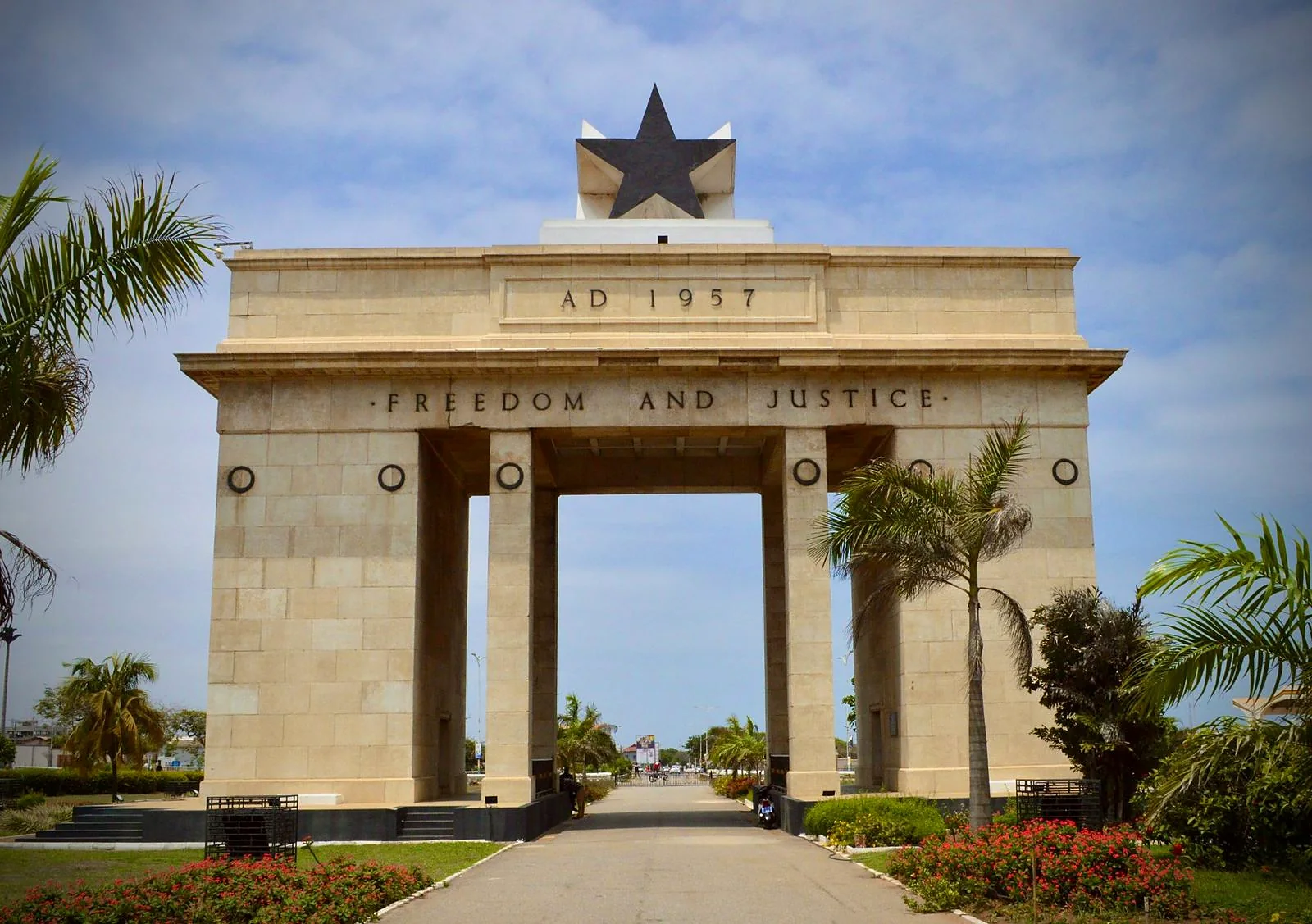
At midnight on 6 March 1957, tens of thousands stood under the warm night sky of Accra and waited.
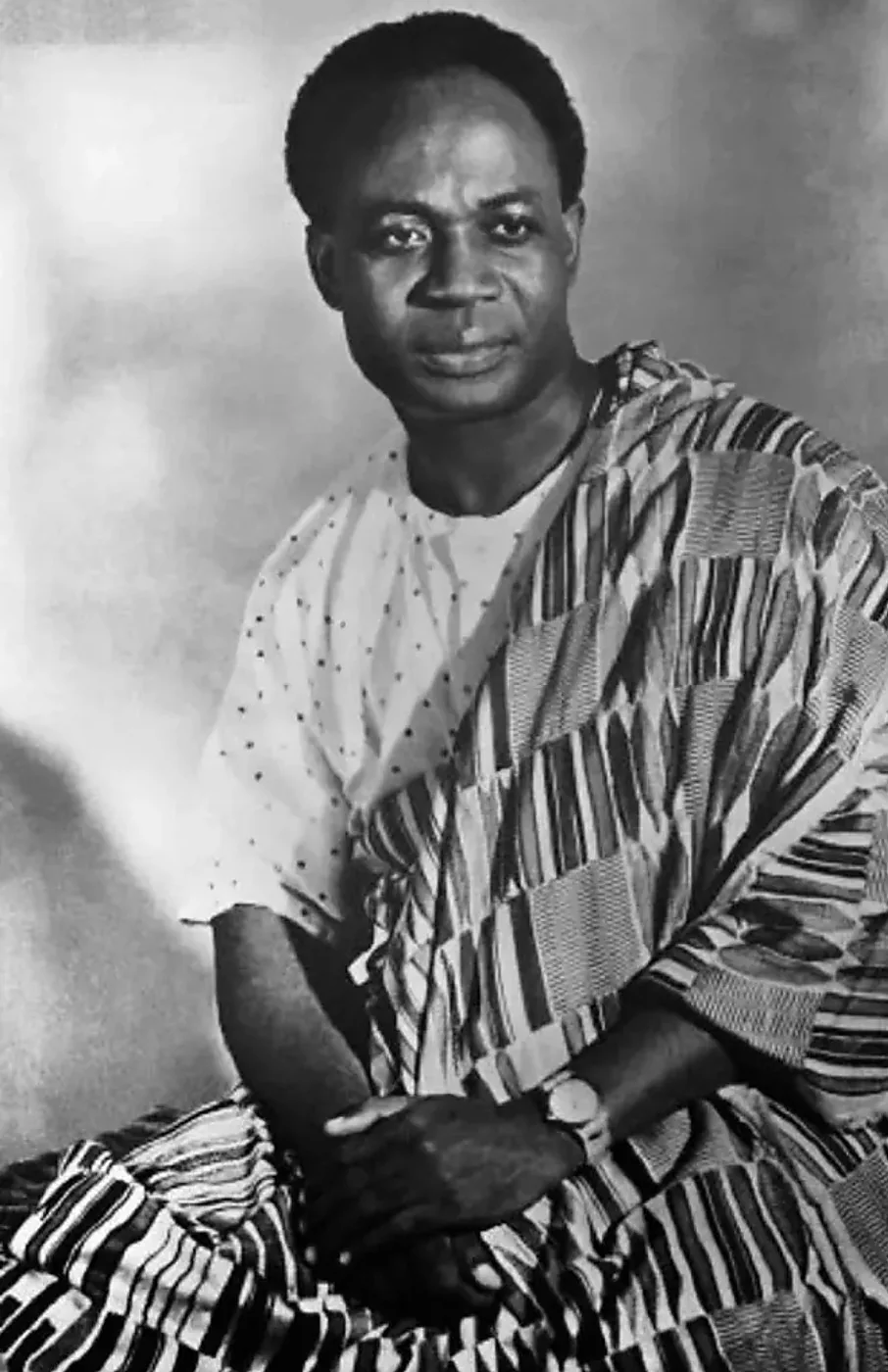
Then Kwame Nkrumah spoke the words a continent had waited a lifetime to hear: “Ghana, your beloved country, is free forever.” The crowds celebrated through the night. That morning the Duchess of Kent, representing the Queen, read her message to the new nation: “The hopes of many, especially in Africa, hang on your endeavours.”
Ghana carried those hopes. Ghana carries them still.
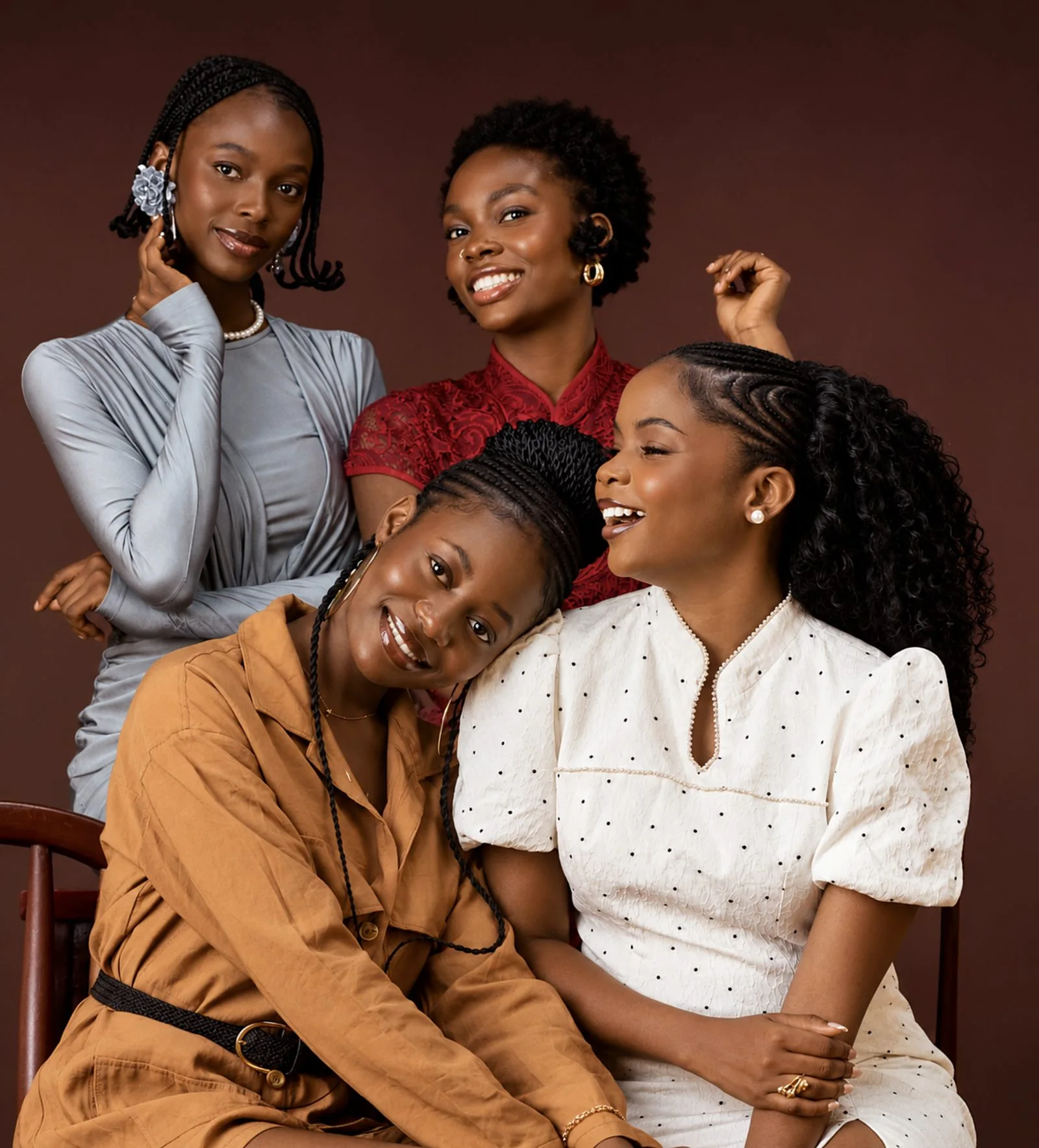
Seventy years on, the children of that midnight are everywhere, and so many of us call the United Kingdom home, from London and Milton Keynes to Birmingham, Manchester, Leeds and Glasgow, and many more across the water in Dublin. Our parents arrived with a suitcase, a winter coat that was never quite warm enough and an extraordinary amount of courage. They worked the night shifts, studied after long days, filled the church halls on Sunday and sent money home on Friday. They built careers, businesses and families, and they raised us to know exactly where we come from.
We have never forgotten home.
Some of us were born in Kumasi, some in Lewisham, in Manchester or in Milton Keynes. Some of us speak Twi, Ga, Ewe, Fante or Dagbani. Some of us only understand it when our mothers are angry.
Every one of us carries a Ghana of our own: waakye on a Saturday morning, a grandmother calling us by our day name, the first highlife record at a family party, the cousin who taught us to dance Azonto. And every one of us knows the words of that midnight.
That is why our symbol is Akoko Nan, the leg of the hen. An Akan proverb says the hen treads on her chicks, but she does not kill them. It is the love of a mother who shelters and corrects, firm and gentle at once, and never lets go. Its two curls are the chicks held close, its crescent the line that shields them, and its point faces forward, because a mother meets danger before it reaches her children. Gold for the Gold Coast, green for the land.
Ghana is ours, and we are Ghana. The Motherland is us.
Seventy years is a platinum jubilee. In June 2022 Britain showed the world how such a milestone is honoured. For Queen Elizabeth II, the first British monarch to reign for seventy years, the nation gave a four day bank holiday weekend, from 2 to 5 June. More than 1,500 beacons blazed across the country. A Service of Thanksgiving was held in the City of London. Streets became banqueting halls, with more than 70,000 Big Jubilee Lunches, and some 5,000 performers carried the Platinum Jubilee Pageant past Buckingham Palace.
Now it is the turn of Ghana.
The two stories were always joined. Elizabeth II came to the throne in 1952. Five years into her reign, Ghana became independent with her as Queen of Ghana, until the nation declared itself a Republic on 1 July 1960. In November 1961 she came to Accra as the guest of President Kwame Nkrumah, and the two danced together at the farewell ball, a moment still remembered in both countries.
On 6 March 2027 Ghana reaches a Platinum Jubilee of its own: seventy years as a sovereign nation. It deserves the same ceremony, the same pride and the same joyful noise. So Ghanaians from across the United Kingdom will gather in one great hall, Banking Hall in the City of London, moments from the Bank of England, for Ghana at 70 UK, The Platinum Jubilee Celebrations.
A platinum jubilee asks two questions: what have these seventy years given us, and what will we give the next seventy? We gather to honour the Ghana we came from, to shape the one our children will inherit, and to lift one another while we do it.
For those who came before us. For those who walk beside us. For those who will follow.
Three days. One people. One Platinum Jubilee.
Sources: contemporary reports of 6 March 1957, published records of the Platinum Jubilee weekend of 2 to 5 June 2022, and histories of the 1961 state visit to Ghana.